पाणिनि तपोभूमि
Pāṇini Tapobhumi · पाणिनि गाउँपालिका, अर्घाखाँची, लुम्बिनी प्रदेश
स्थान · Location
पाणिनि गाउँपालिका, अर्घाखाँची
Panini Rural Municipality, Arghakhanchi
उचाइ · Altitude
समुद्री सतहबाट करिब २,१०० मिटर
About 2,100 m above sea level
प्रसिद्धि · Known for
महर्षि पाणिनिको तपोभूमि
Tapobhumi of the sage Pāṇini
दृश्य · Views
१५ मुख्य हिमाल र तराईसम्म
15 Himalayan peaks and the Terai
मेला · Festivals
साउनभरि, असारे र कात्तिक एकादशी
All of Shrawan, Asare and Kartik Ekadashi
घुम्नै पर्ने पाणिनि तपोभूमिA place you must visit
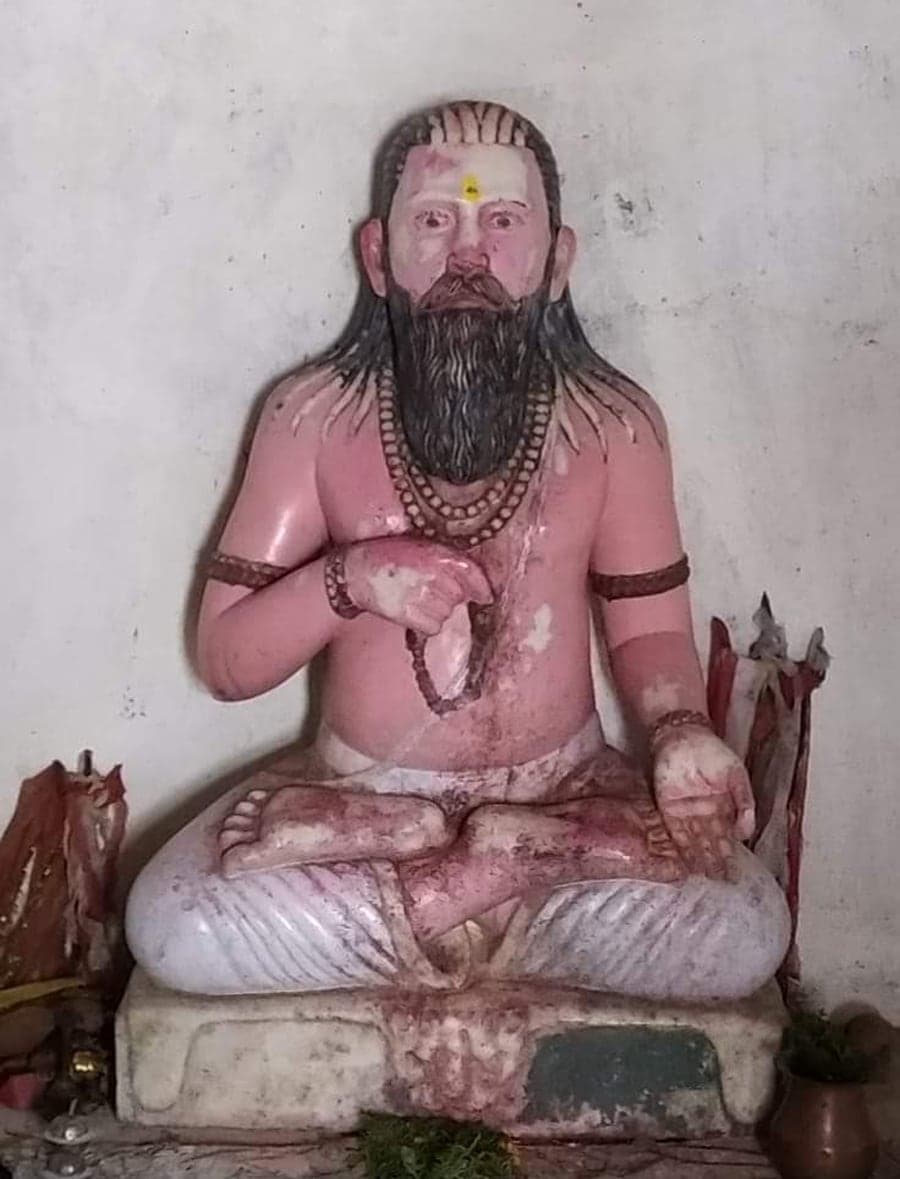
अर्घाखाँची जिल्लाको पाणिनि गाउँपालिकामा रहेको पाणिनि तपोभूमि एउटा ऐतिहासिक र धार्मिक स्थल हो।
जनविश्वास अनुसार संस्कृत व्याकरणका महान् आचार्य महर्षि पाणिनिले यहीँ तपस्या गरी प्रसिद्ध व्याकरण ग्रन्थ अष्टाध्यायी रचना गरेका थिए। त्यसैले यो ठाउँ देशभर पाणिनिको तपोभूमिका रूपमा चिनिन्छ।
सुपा देउराली माताको दर्शनमा आउने भक्तजनका लागि अर्घाखाँचीमा घुम्नै पर्ने ठाउँमध्ये एक हो।
Pāṇini Tapobhumi, in Panini Rural Municipality of Arghakhanchi district, is a historic and religious site.
Local tradition holds that the great Sanskrit grammarian, the sage Pāṇini, meditated here and composed his famous grammar, the Aṣṭādhyāyī. The place is known across Nepal as Pāṇini's tapobhumi (place of meditation).
For devotees visiting Supadeurali Mata, it is one of the places in Arghakhanchi worth seeing.
महर्षि पाणिनिThe sage Pāṇini
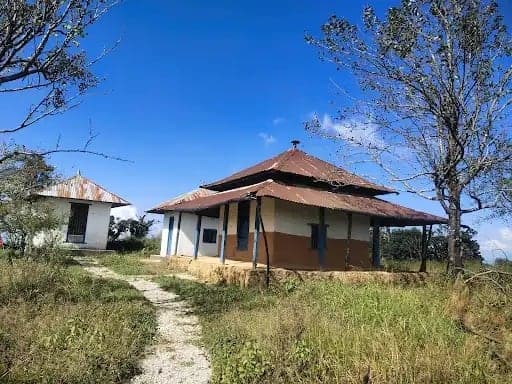
परम्परागत रूपमा पाणिनिका पुर्खा पुरानो गान्धार क्षेत्रको शलातुर (हालको पाकिस्तान) मा बस्थे भनिन्छ। उनकी आमा दाक्षी दक्ष कुलकी भएकाले उनलाई दाक्षीपुत्र पनि भनिन्छ।
पाणिनिभन्दा पहिले पनि संस्कृत व्याकरणको विकास हुँदै आएको थियो। उनले अष्टाध्यायीमा आफूभन्दा अघिका काश्यप, चाक्रवर्मण, भारद्वाज, शाकटायन र शाकल्य जस्ता वैयाकरणको नाम उल्लेख गरेका छन्।
तर १४ माहेश्वर सूत्रमा आधारित, करिब चार हजार सूत्रको सुव्यवस्थित व्याकरण पाणिनिको अद्वितीय देन मानिन्छ, र विद्वानहरूले यसलाई व्यापक रूपमा स्वीकारेका छन्।
By tradition, Pāṇini's family came from Śalātura in the old Gandhāra region (in today's Pakistan). His mother Dākṣī was of the Dakṣa clan, so he is also called Dākṣīputra.
Sanskrit grammar was developing before him: in the Aṣṭādhyāyī he names earlier grammarians such as Kāśyapa, Cākravarmaṇa, Bhāradvāja, Śākaṭāyana and Śākalya.
His own grammar of about four thousand rules, built on the fourteen Māheśvara sūtras, is regarded as his unique contribution and is widely accepted by scholars.
पाणिनि कहिले भए?When did Pāṇini live?
पाणिनिको जन्म मिति निश्चित छैन। अष्टाध्यायीमा बौद्ध सन्दर्भहरू भेटिने भएकाले उनी गौतम बुद्धपछि भएको अनुमान गरिन्छ। डा. वासुदेवशरण अग्रवालले उनको समय ई.पू. ४८० देखि ४१० मानेका छन्।
पछि कात्यायन (वररुचि) ले वार्तिक र पतञ्जलिले महाभाष्य लेखेपछि पाणिनि, कात्यायन र पतञ्जलि संस्कृत व्याकरणका 'मुनित्रय' का रूपमा प्रसिद्ध भए।
Pāṇini's exact dates are not known. Because the Aṣṭādhyāyī contains Buddhist references, he is thought to have lived after the Buddha; Dr. Vasudev Sharan Agrawal placed him around 480 to 410 BCE.
Later, Kātyāyana (Vararuci) wrote his vārttikas and Patañjali his Mahābhāṣya on Pāṇini's rules, and the three became famous as the 'three sages' (munitraya) of Sanskrit grammar.
विश्वका विद्वानहरूको प्रशंसाPraise from scholars worldwide
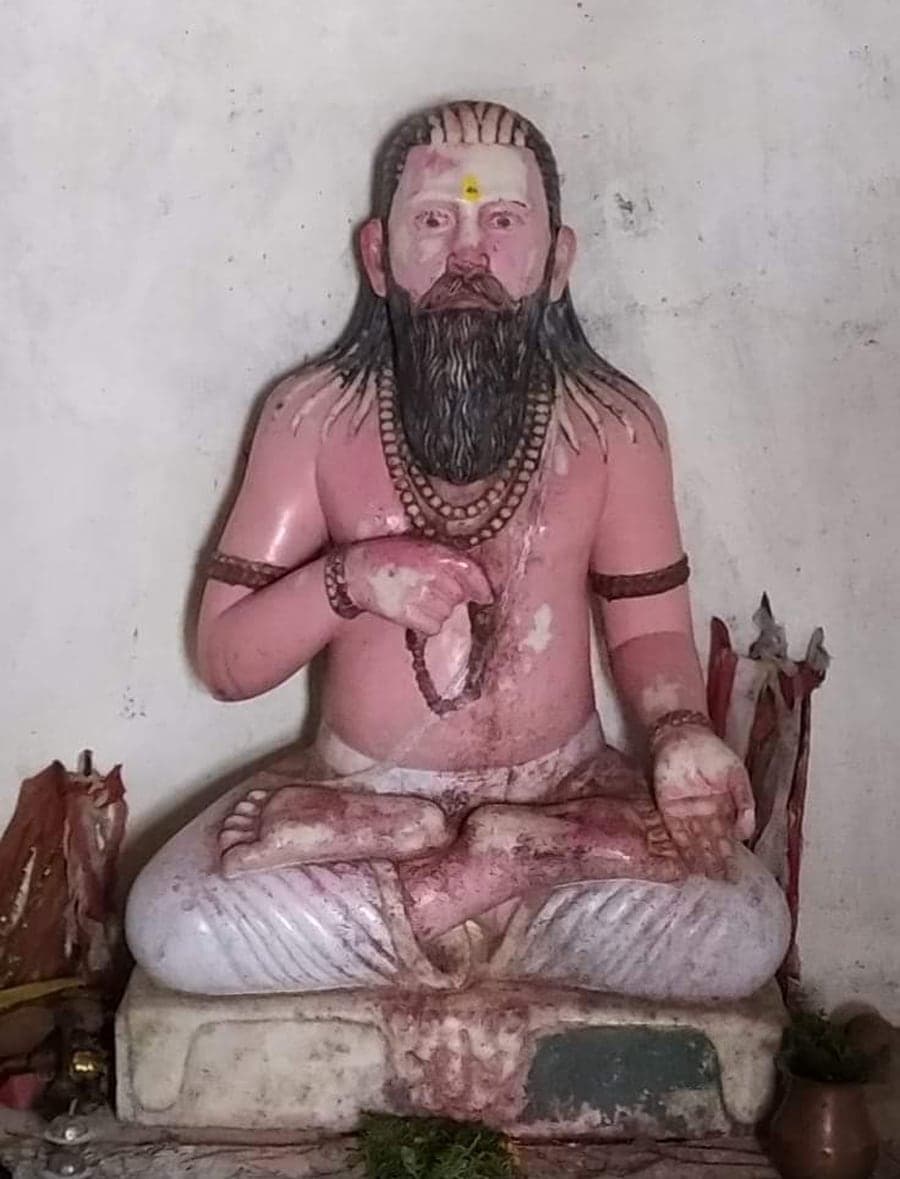
आधुनिक भाषाविज्ञानका अग्रणी लियोनार्ड ब्लुमफिल्डले पाणिनिको व्याकरणलाई मानव बुद्धिको महान् उपलब्धिमध्ये एक मानेका छन्।
अमेरिकी विद्वान डब्लु. नर्मन ब्राउनले वैदिक साहित्यसँगै पाणिनिको योगदानको प्रशंसा गरेका छन्। वेद र धेरै संस्कृत ग्रन्थ अंग्रेजीमा अनुवाद गर्ने म्याक्स मुलरले भारतीय व्याकरण परम्परालाई अतुलनीय भनेका छन्।
सर डब्लु. डब्लु. हन्टर र हेनरी कोलब्रुकले पनि पाणिनिका नियम अत्यन्त तार्किक र प्रतिभापूर्ण भएको बताएका छन्। यी सबैले पाणिनिको व्याकरण अत्यन्त वैज्ञानिक भएको पुष्टि गर्छन्।
Leonard Bloomfield, a founder of modern linguistics, described Pāṇini's grammar as one of the great monuments of human intelligence.
The American scholar W. Norman Brown praised Pāṇini's contribution alongside Vedic literature, and Max Müller, who translated the Vedas and many Sanskrit works into English, called the Indian grammatical tradition unmatched.
Sir W. W. Hunter and Henry Colebrooke also wrote that Pāṇini's rules are highly logical and brilliant. Together they show how scientific his grammar is.
तपोभूमि आजThe tapobhumi today
करिब २,१०० मिटर उचाइमा पाणिनि सामुदायिक वन क्षेत्रभित्र रहेको यो ठाउँ शीतोष्ण हावापानी भएको, प्राकृतिक रूपमा अत्यन्त सुन्दर स्थल हो।
यहाँबाट १५ वटा मुख्य हिमालको दृश्य र दक्षिणतर्फ तराई, अझ भारतको गोरखपुरसम्म देख्न सकिन्छ। वनमा थरीथरीका जडीबुटी, जंगली जनावर र चराचुरुङ्गी पाइन्छन्।
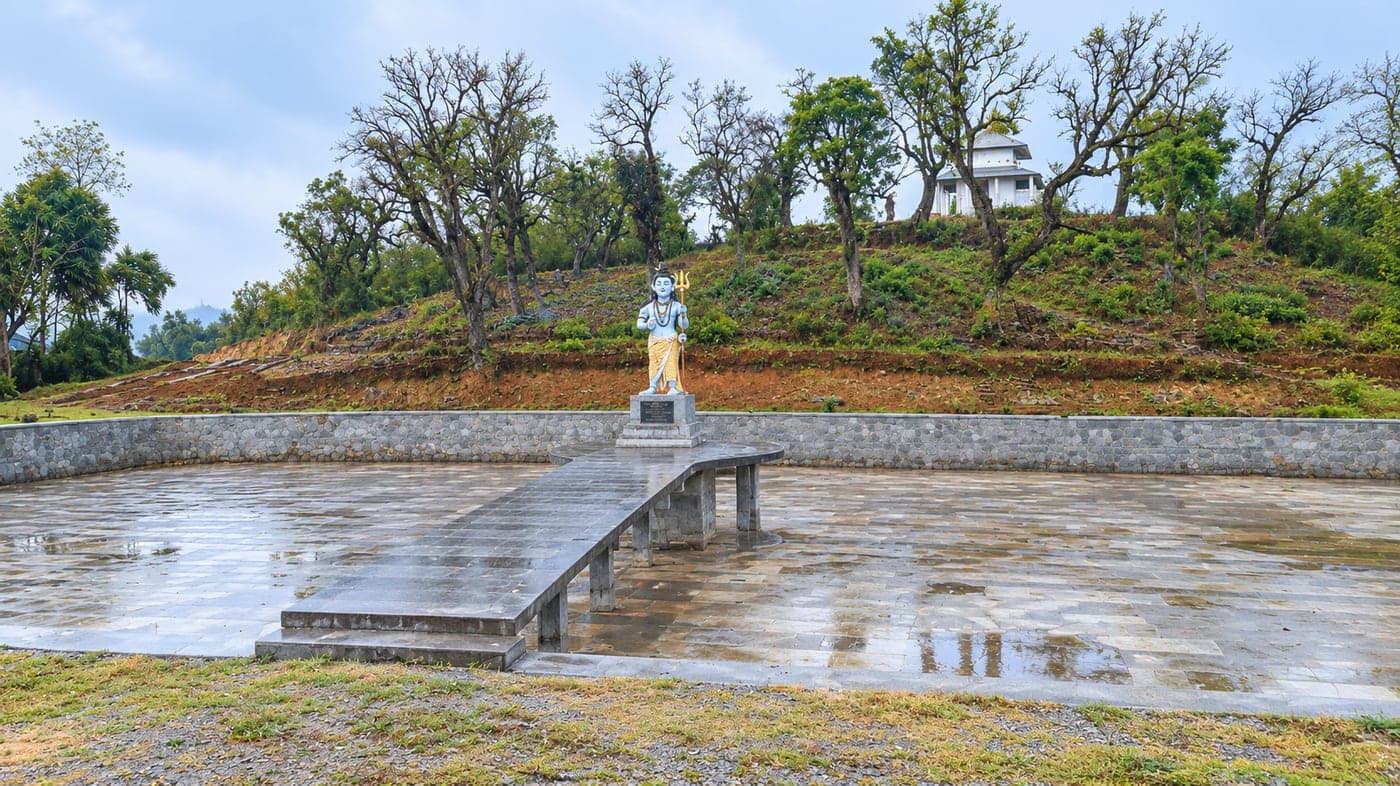
डाँडाको समथर भागमा करिब १०० मिटर लामो र ५० मिटर चौडा पोखरी छ, जसको बीचमा शिवलिङ्ग छ। वरिपरि भ्यूटावर र विभिन्न देवीदेवताका मन्दिर तथा मूर्ति छन्।
At about 2,100 m, inside the Panini community forest, this place has a temperate climate and great natural beauty.
From here you can see 15 major Himalayan peaks, and to the south the Terai as far as Gorakhpur in India. The forest is home to many medicinal herbs, wild animals and birds.
On the flat top of the hill is a pond about 100 m long and 50 m wide with a Shivalinga in the middle, surrounded by a view tower and temples and statues of many deities.
यहाँका मन्दिर र स्थलTemples and sites
प्राचीन सिद्धस्थान: एउटा रूखमुनि कपिलेश्वर महादेवको कालो ढुंगाको पुरानो मूर्ति छ। स्थानीय बासिन्दा यसलाई धेरै पुरानो मान्छन्; बनावट हेर्दा मल्लकालभन्दा अघिको जस्तो देखिन्छ।
सिद्धेश्वर महादेव मन्दिर (कपिललाई शिवको अवतार मानिने भएकाले उनकै नाममा), कृष्ण मन्दिर, पाणिनिको सम्झनामा बनेको पाणिनि मन्दिर, शक्तिका मूर्ति भएको अन्नपूर्ण भगवती मन्दिर र हनुमान मन्दिर पनि छन्।
पुराण मण्डपमा वि.सं. २०१८ देखि हरेक वर्ष पुराण वाचन हुँदै आएको छ। भक्तजनका लागि धर्मशाला छ, र आकर्षक प्रवेशद्वारबाहिर पाणिनिको मूर्ति राखिएको छ।
The ancient Siddhasthan: under a tree is an old black-stone image of Kapileshwar Mahadev. Local people believe it is very old; its style looks older than the Malla period.
There are also the Siddheshwar Mahadev temple (named after Kapila, regarded as a form of Shiva), a Krishna temple, a Pāṇini temple built in his memory, the Annapurna Bhagawati temple with images of Shakti, and a Hanuman temple.
Purana recitation has been held every year in the Purana Mandap since 2018 BS. There is a dharmashala for pilgrims, and a statue of Pāṇini stands outside the attractive entrance gate.
दैनिक पूजा र विशेष मेलाDaily worship and special fairs
यहाँ एक पुजारीले दैनिक पूजा गर्ने चलन छ। साउने संक्रान्तिदेखि साउन महिनाभरि, असारे एकादशी र कात्तिकको ठूलो एकादशीमा भक्तजन यहाँ नुहाउन र पूजा गर्न विशेष रूपमा आउँछन्।
पूजाको खर्च गाउँलेहरूको सहयोग र अक्षयकोषको ब्याजबाट चलाइन्छ। यो पवित्र स्थलको संरक्षण र व्यवस्थापनमा सबैको सहयोग आवश्यक छ।
A priest performs daily worship here. Devotees come especially to bathe and worship from Saune Sankranti through the month of Shrawan, on Asare Ekadashi and on the great Ekadashi of Kartik.
Worship is supported by contributions from local people and the interest of an endowment fund. This sacred place needs everyone's help to be protected and well looked after.
Photos
तस्बिरहरू